

This page brings together the published research on how well Restorative Reproductive Medicine (RRM) and NaProTechnology work. It collects outcome studies from 2008 to today and lays out what each one found, with the context needed to read the numbers correctly.
The page covers live birth and pregnancy rates, how RRM results compare with IVF, pregnancy safety, cost, and findings for specific conditions including endometriosis, PMOS / PCOS, and recurrent miscarriage. Every study links to its full library record.
The studies measured success in different ways, in different groups of couples, and over different time periods. Rates vary as a result. These are real-world studies conducted across documented populations, and many of those populations skew toward couples who arrived with prior diagnoses and prior treatment failures, making the published rates a conservative picture of what RRM achieves. Each figure on this page appears with its source and the study context it came from.
The Evidence at a Glance
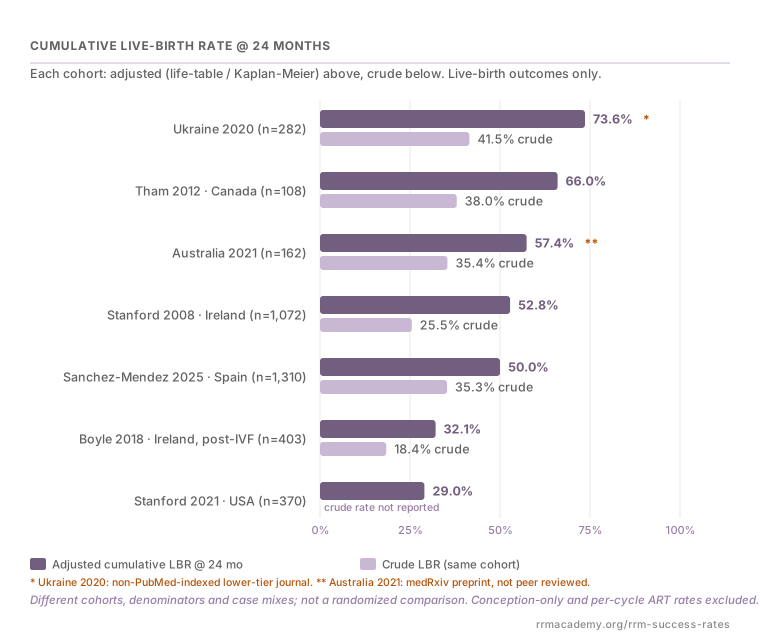
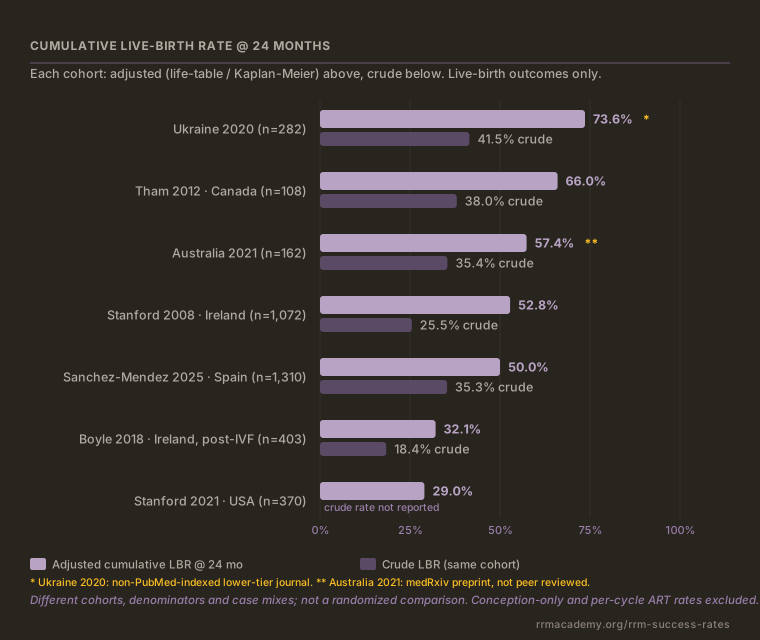
The stat cards above display two ranges: crude live-birth rates (18.4% to 41.5%) and adjusted-cumulative live-birth rates (29% to 73.6%). These two metrics measure different things. Crude rates count live births among all couples who started treatment. Adjusted-cumulative (life-table) rates account for couples who withdrew or whose follow-up ended early, estimating the probability of a live birth over the full follow-up window. A crude rate and an adjusted-cumulative rate from different cohorts cannot be compared against each other. The ranges also span heterogeneous cohorts: different populations, follow-up lengths, entry criteria, and RRM methods. Fourteen cohort studies, a systematic review, and a narrative review informed this page. What the numbers share is that they come from published literature with documented populations and defined endpoints.
The Outcome Studies
Reading reproductive medicine outcome data accurately requires knowing exactly what was measured. Two concepts cause the most confusion.
Crude vs. adjusted-cumulative rates. A crude live-birth rate divides the number of live births by the number of couples who started treatment, treating everyone who dropped out as a non-success. An adjusted-cumulative (life-table) rate censors withdrawals and estimates the probability of success over time, accounting for the fact that some couples left before the study ended rather than failing. The same cohort can show a crude rate of 18% and an adjusted-cumulative rate of 32%, and both figures are correct; they measure different things.
Per-couple vs. per-cycle rates. Most RRM outcome studies report per-couple rates: what fraction of couples who enrolled achieved a live birth over a defined follow-up period. Most IVF registry benchmarks report per-cycle or per-embryo-transferred rates: what fraction of individual transfer events resulted in a live birth. A 24-month per-couple RRM rate and a per-embryo-transferred IVF rate use different denominators. The most common reading error in reproductive medicine outcomes literature is comparing these two figures as if they were equivalent. This page labels every rate's denominator type explicitly.
The studies in the table below are grouped by primary outcome type: live-birth cohorts, conception cohorts, systematic reviews, and safety comparators. Within each group, studies appear in chronological order. Follow-up windows are noted for every cohort because a 12-month rate and a 36-month rate from the same cohort cannot be compared to each other without that context.
Live-birth cohorts 8 studies
| Study | Journal · Year · Country | n | Population | Outcome |
|---|---|---|---|---|
| Stanford JB, Parnell TA, Boyle PC (2008) | Journal of the American Board of Family Medicine · 2008 · Ireland | 1,072 | avg age 35.8; 33% prior ART; 5.6 yr trying | crude LBR 25.5%; adj. cum. LBR 52.8% @24mo; adj. cum. conception 64.8% @24mo |
| Tham E, Schliep K, Stanford JB (2012) | Canadian Family Physician · 2012 · Canada | 108 | avg age 35.4; 8% prior ART (22% prior IUI) | crude LBR 38%; adj. cum. LBR 66% @24mo; adj. cum. conception 73% @24mo |
| Boyle PC, de Groot T, Andralojc KM, Parnell TA (2018) | Frontiers in Medicine · 2018 · Ireland | 403 | 100% prior failed IVF (avg 2.1 cycles, range 1-9; only 5% had prior IVF live birth); avg age 37.2 | crude LBR 18.4%; adj. cum. LBR 32.1% @24mo |
| Stanford JB, Carpentier PA, Meier BL, Rollo M, Tingey B (2021) | BMC Pregnancy and Childbirth · 2021 · USA | 370 | mean age 34.8; 27% prior live birth; two Massachusetts family-medicine clinics | adj. cum. LBR 29% @24mo |
| Boyle P, Toth A, Minjeur M, Turczynski C (2025) | Journal of Restorative Reproductive Medicine · 2025 · Ireland | 187 | mean age 36.4; 19% prior IVF (2.3 cycles); mean 32.2 mo trying; 2019 Dublin clinic cohort | crude LBR 41%; crude conception 52% |
| Sánchez-Méndez JI, Lombarte M, Abengózar-Muela R, et al. (2025) | Frontiers in Reproductive Health · 2025 · Spain | 1,310 | mean age 35.0; 27.5% prior ART; median 24 mo infertility; Madrid (Fertilitas Center) single center, 5-year cohort | crude LBR 35.3%; adj. cum. LBR 50% @24mo |
| James G, Mclindon LA, Hatch J, Mol BW, Turner JV (2021) | medRxiv · 2021 · Australia | 162 | 162 couples at an Australian hospital-based multidisciplinary fertility clinic (Brisbane), 2005-2010; median female age 33.7; median 33.9 mo infertility; non-assisted (restorative) treatment model | crude LBR 35.4%; adj. cum. LBR 57.4% @24mo Preprint, not peer reviewed |
| Horodenchuk Z, Furman O, Datsko H (2020) | Kwartalnik Naukowy Fides et Ratio · 2020 · Ukraine | 282 | 282 married couples with infertility or recurrent miscarriage at 2 outpatient gynaecological centers, May 2010-Dec 2014; Creighton Model FertilityCare System or symptothermal charting + adjunctive medical treatment (NaPro-style) | crude LBR 41.5%; adj. cum. LBR 73.6% @24mo; adj. cum. conception 77.7% @24mo Lower-tier journal |
Conception and pregnancy cohorts 5 studies
| Study | Journal · Year · Country | n | Population | Outcome |
|---|---|---|---|---|
| Barbato M, Del Zoppo S, Parazzini F, Graziani A, Guida M, Ferlin A, Frigerio L, Grande G (2026) | Frontiers in Reproductive Health · 2026 · Italy | 41 | FAM arm n=41 of 97 total (41 FAM vs 56 ART control); primary idiopathic infertility, female age <40, seeking natural conception; CAMeN symptothermal method; multicenter Italy 2010-2014 | crude pregnancy 51.2% |
| Bernot G, Lallemand L, Le Menager C, Ecochard R (2025) | European Journal of Obstetrics & Gynecology and Reproductive Biology · 2025 · France | 551 | French couples receiving fertility counselling + treatment 2022-2023 via trained fertility instructors + 15 GPs with fertility-chart-based therapeutic patient education; 4 of 551 women lost to follow-up (547 analyzed) | crude conception 37% |
| Grande G, Garolla A, Graziani A, Astorri AL, Cammarota MV, Merola A, Polidori MP, Lulli E, Busato E, Pesce F, Pompa G, Pontecorvi A, Milardi D, Ferlin A (2025) | Andrology · 2025 · Italy | 1,014 | 1,014 couples with primary infertility, comprehensive male-factor (andrological) + gynecological workup; male mean age 37.7, female 33.4; 266/1014 (26%) prior ART failure; 919 treated after excluding 95 untreatable causes; multicenter Italy 2015-2022 | crude pregnancy 40.9% |
| Marshell M, Corkill M, Whitty M, Thomas A, Turner J (2019) | Human Fertility · 2019 · Australia | 384 | 51% infertility 12+ months; 28% age >35; 17 Billings clinics 1999-2003 | crude pregnancy 62.5% |
| Frank-Herrmann P, Jacobs C, Jenetzky E, Gnoth C, Pyper C, Baur S, Freundl G, Goeckenjan M, Strowitzki T (2017) | Archives of Gynecology and Obstetrics · 2017 · Germany | 187 | 187 subfertile women trained in the Sensiplan symptothermal method; age 21-47; mean 3.5 yr trying (range 1-8); amenorrhea, known tubal occlusion and severe male factor excluded | adj. cum. conception 38% @8mo |
Methods papers and reviews 3 studies
| Study | Journal · Year · Country | n | Population | Outcome |
|---|---|---|---|---|
| Stanford JB, et al. (2022) | Human Reproduction Open · 2022 · USA/Canada/UK/Poland | 834 | mean age 34.0; 30% prior live birth; 10 sites, 4 countries | crude pregnancy 57% (methods cohort) Methods paper |
| Bulletti FM, Giacomucci E, Guido M, Palagiano A, Coccia ME, Bulletti C (2025) | Therapeutic Advances in Reproductive Health · 2025 | — | PRISMA systematic review, 145 key articles (from >25,000 titles) | Narrative / systematic review (no single cohort rate) Review |
| Kiani AK, Paolacci S, Scanzano P, et al. (2020) | Acta Biomedica (Atenei Parmensis) · 2020 · Italy | — | narrative review of ART complications | Narrative / systematic review (no single cohort rate) Review |
Footnote on intervention scope. Not every study in the conception and methods groups tested a full medical and surgical RRM protocol. Several evaluated fertility-awareness training alone. Marshell and colleagues 2019 stratified couples by Billings cervical-mucus charting; Frank-Herrmann and colleagues 2017 trained couples in the Sensiplan symptothermal method. Both report conception outcomes from charting-based timing without the targeted diagnostic and treatment component that defines comprehensive NaProTechnology. Read those rates as fertility-awareness training outcomes, not as comprehensive RRM outcomes.
Footnote on iNEST. The iNEST paper (Stanford and colleagues 2022) is an enrollment and methods report, not an outcomes cohort. By its own account, clinical sites had missing data for about one-third of participants, and the authors caution that this level of missing data limits generalizability and that differential loss to follow-up may bias outcomes. Treat its 57% any-pregnancy and 44% any-live-birth figures as descriptive feasibility numbers, not as efficacy estimates.
How RRM Compares to IVF and ART
The first direct head-to-head comparison of RRM and IVF outcomes in the same clinical population appeared in 2025. Among 187 couples who committed to RRM treatment at a Dublin clinic (mean age 36.4, 19% with prior IVF, mean 32.2 months trying), 41% achieved a live birth and 52% conceived within 24 months. The paper benchmarked these crude rates against CDC and SART IVF registry data from the same year. In age bands under 43, RRM crude live-birth rates were 42-44%, comparable to the SART and CDC benchmarks of 40-41% for IVF. It is a single-center retrospective cohort benchmarked against contemporaneous CDC and SART IVF registry data from the same year. It is the first published head-to-head comparison of RRM and IVF outcomes.
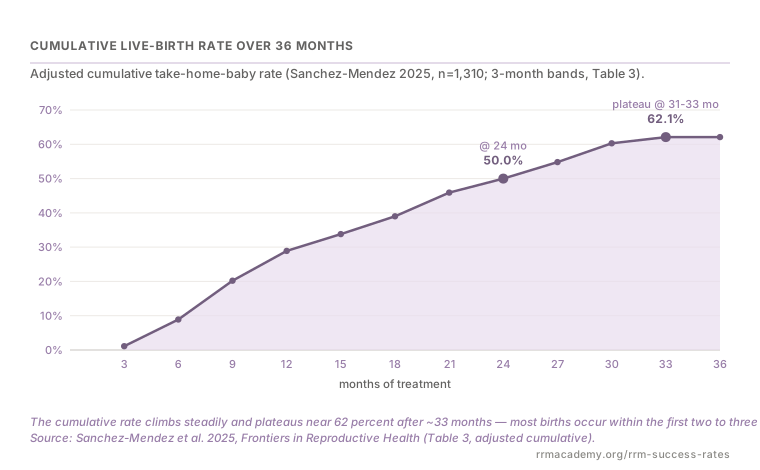
For broader scale, the largest published NaProTechnology cohort to date enrolled 1,310 couples across a five-year single-center study in Madrid. The crude live-birth rate was 35.3%. The adjusted-cumulative rate reached 50% at 22-24 months and plateaued at 62.1% from 31 months onward. These rates come from a cohort with a mean age of 35.0 and 27.5% prior ART. They are not directly comparable to IVF per-cycle benchmarks.
A 2025 systematic review put the average cost of a single restorative procedure, such as polypectomy, at $2,000 to $5,000 [source]. One IVF cycle costs several times that, and the full cost of IVF to reach a baby runs far higher than a single cycle.
A single IVF cycle in the United States, including medications, runs about $19,200 [source]. Most couples do not succeed in one cycle. A US prospective cohort put the total treatment cost per successful outcome at roughly $61,000 [source]. A more recent patient-reported figure is about $50,000 across an average of 2.3 cycles [source]. A global review figure of $10,000 to $15,000 per IVF cycle also exists [source], but that is a worldwide average; it reads low for the US market. One restorative procedure that treats the problem costs $2,000 to $5,000. One IVF cycle that bypasses it costs about $19,200, and the cumulative cost to a live birth runs roughly $50,000 to $61,000.
The ART registries and reporting codes page covers how IVF outcomes are measured, categorized, and reported at the population level.


Obstetric Safety
The clearest safety signal in the RRM outcomes data is two straightforward percentages. In the Boyle 2025 head-to-head cohort, 4.0% of RRM singleton babies were born preterm. The CDC benchmark for IVF singleton births that same year was 11.8%. That is roughly two-thirds fewer early births in the RRM group [source]. Across all RRM pregnancies, the preterm rate was 6.5%, against 14.4% in the SART IVF benchmark: more than half the rate [source]. RRM twins are rare to begin with. In the Boyle 2018 post-IVF-failure cohort, only one of 74 RRM live births was a twin pregnancy (1.4%) [source].
The comparison papers for ART-treated populations report the data differently. Neither published a per-group preterm percentage for singleton pregnancies; they published adjusted odds ratios. The plain reading: for single babies, the adjusted odds of an early birth were about 3 times higher after ART versus women who never used fertility treatment (OR 3.28, 95% CI 1.74 to 6.20) [source]. Among women who were already subfertile, the adjusted odds of an early birth were about 4 times higher after IVF and about 3 times higher after IUI, compared with subfertile women who went untreated that cycle (IVF OR 4.24, 95% CI 2.05 to 8.77; IUI OR 3.17, 95% CI 1.40 to 7.19) [source].
The mechanism is straightforward: RRM achieves conception through a single naturally-conceived embryo, so multiple gestations are rare. Multiple gestations drive the majority of preterm births and NICU admissions in IVF populations. When conception follows restoration of the underlying cause rather than embryo transfer, that driver largely disappears. The data reflect that reality consistently: RRM birth outcomes, particularly on prematurity and multiples, look substantially better than IVF benchmarks across the published cohorts.


Effectiveness by Condition
Published evidence covers several diagnostic subgroups. What follows draws from the cohort data available; it is not a clinical guide, and approaches vary across RRM clinicians and named methods.
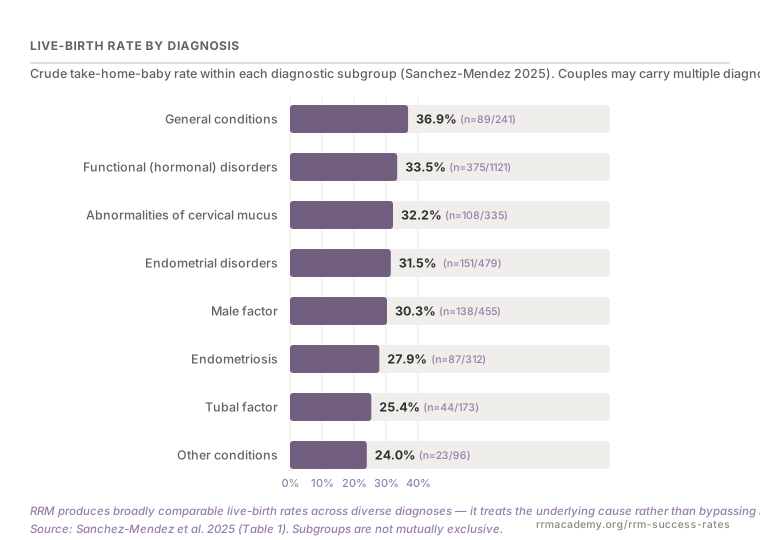
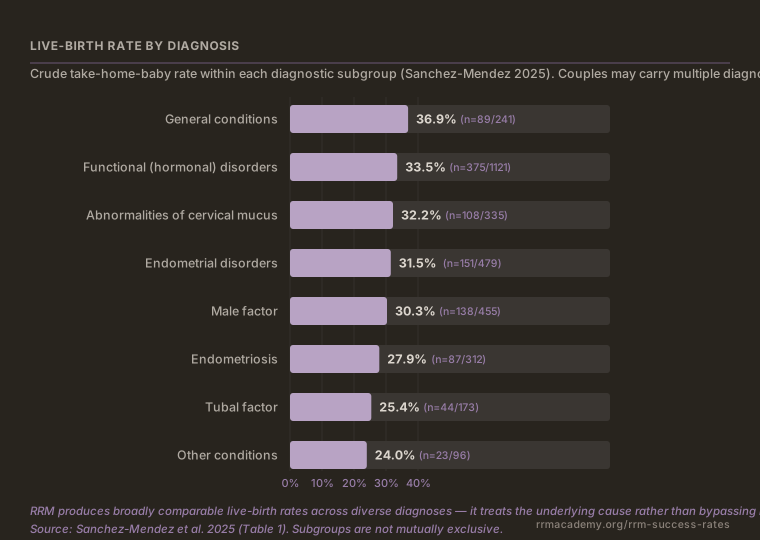
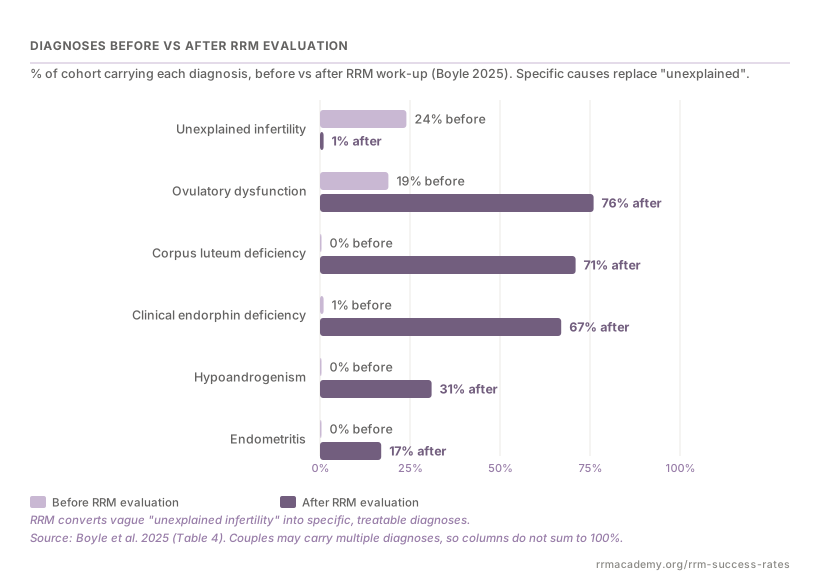
Endometriosis. In the largest NaProTechnology cohort, couples with an endometriosis diagnosis had a crude live-birth rate of 27.9% (87 of 312). This was among the lower crude rates by diagnostic subgroup, consistent with endometriosis being a mechanically and hormonally disruptive condition. The diagnostic-reassignment chart from the 2025 Dublin cohort shows that endometriosis prevalence rose from 10% pre-workup to 25% post-workup, indicating that thorough evaluation identifies the disease more frequently than prior assessments had. The endometriosis condition page covers the full evidence base on diagnosis, staging, and disease burden.
PMOS / PCOS. In the Dublin cohort, 12% of couples carried a diagnosis of polyendocrine metabolic ovarian syndrome (PMOS), formerly polycystic ovary syndrome (PCOS), both before and after workup. No condition-specific live-birth subgroup data for PMOS / PCOS are published from this cohort's primary report. The ovulatory dysfunction diagnostic category in the same cohort, at 76% prevalence post-workup (up from 19% pre-workup), encompasses the hormonal dysregulation patterns relevant to PMOS / PCOS. Outcomes within that broader category are not broken out by specific PMOS / PCOS diagnosis in currently available data. The PMOS / PCOS condition page covers the diagnosis criteria, hormonal patterns, and clinical background for this condition.
Recurrent miscarriage. A 2012 Canadian cohort enrolled 108 couples pursuing NaProTechnology for infertility or recurrent miscarriage; 19 of these (18%) had two or more prior unexplained miscarriages. The cohort's adjusted-cumulative live-birth rate was 66% at 24 months, with all births singleton. The recurrent-miscarriage subgroup outcomes were not separately reported in the abstract but the cohort's inclusion of this group is documented. A 2020 Ukrainian cohort explicitly enrolled couples with both infertility and recurrent miscarriage; that cohort achieved an adjusted-cumulative live-birth rate of 73.6% and an adjusted-cumulative conception rate of 77.7% at 24 months. This 73.6% is the highest adjusted-cumulative live-birth rate in the corpus. The paper names younger age, shorter time trying, and good compliance as its favorable predictors of live birth, and the cohort sits at the low end of the corpus for prior ART exposure. The recurrent miscarriage condition page covers the clinical definitions, known causes, and diagnostic framework for pregnancy loss.
Post-failed IVF. The 2018 Frontiers in Medicine cohort enrolled 403 couples who had all previously undergone IVF without a live birth (average 2.1 IVF cycles, only 5% with any prior IVF live birth). The adjusted-cumulative live-birth rate in this population was 32.1% (crude 18.4%). Age subgroups: women aged 35-38 reached an adjusted rate of 37.5% (crude 23.6%); women over 40 reached 27.4% (crude 16.0%). This cohort is clinically significant because it enrolled couples who had already been evaluated and treated under an ART framework without success, making the diagnostic workup and outcomes particularly informative about what prior evaluation had and had not captured.
Male factor. A 2025 Italian multicenter cohort enrolled 1,014 couples presenting with primary infertility and received systematic andrological evaluation alongside gynecological workup. Isolated male factor accounted for 23% of couples; combined male and female factor, 45%. After targeted treatment of identified causes, the crude spontaneous pregnancy rate among 919 treated couples was 40.9% at 12 months minimum follow-up. Among the isolated male-factor subgroup, 32.5% achieved spontaneous pregnancy. The comprehensive diagnostic approach reduced the fraction carrying an idiopathic label from the typical 30-50% range to 8% of the total cohort. The Italian protocol evaluated male factor from the outset as a primary contributing cause.
Spotlight Studies
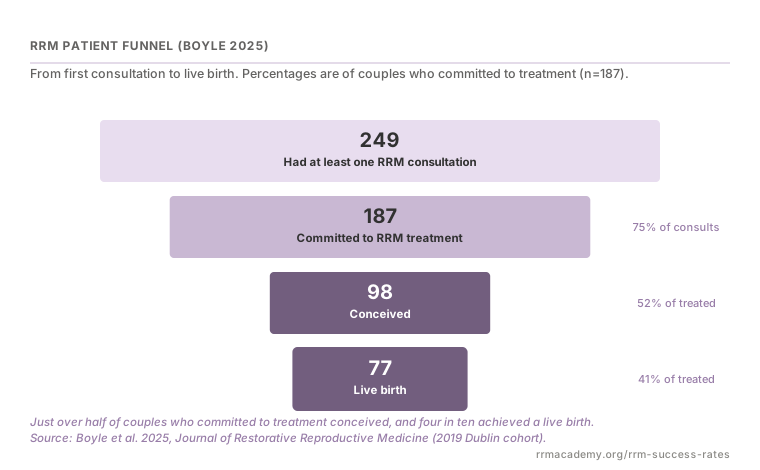
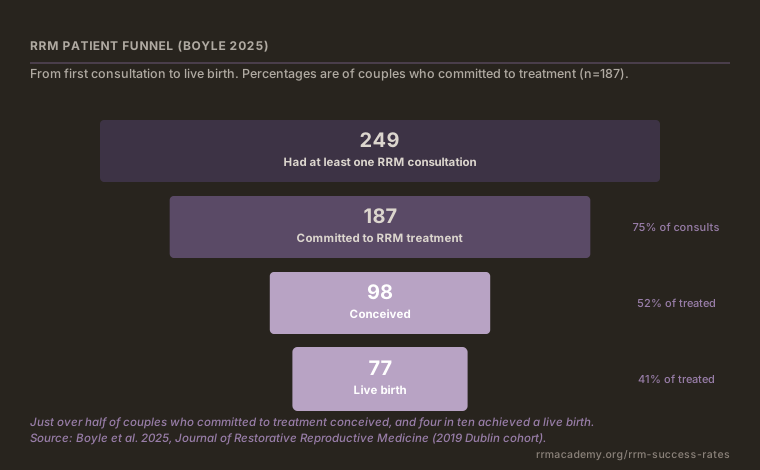
The 2025 Dublin cohort published in the Journal of Restorative Reproductive Medicine offers the first direct comparison of RRM outcomes against contemporaneous IVF registry data. Of 249 couples who had at least one RRM consultation, 187 committed to treatment and met inclusion criteria. Of those 187, 98 (52%) conceived and 77 (41%) achieved a documented live birth within 24 months. The mean age was 36.4 and 19% had prior IVF. The funnel from consultation to live birth is reported transparently, which is relevant: the 41% crude live-birth rate uses the 187 committed-to-treatment couples as the denominator, not the 249 who consulted, and not a smaller per-cycle denominator.
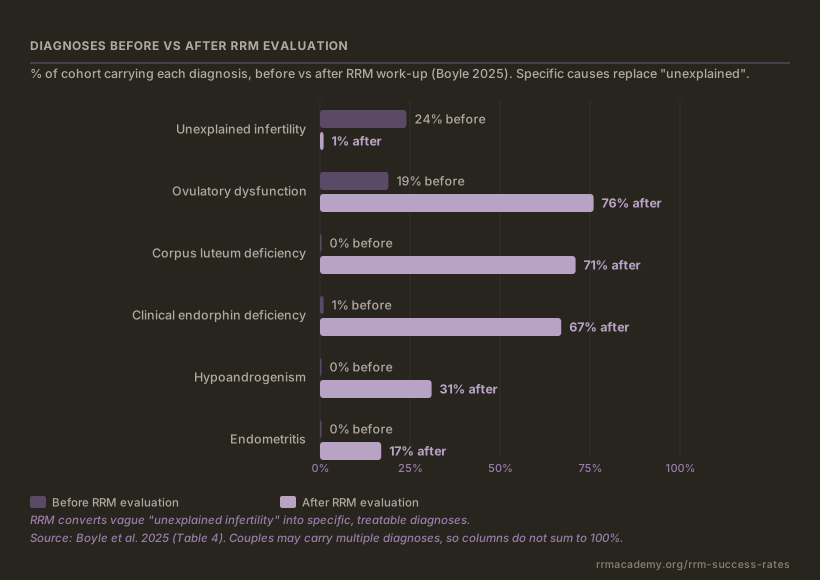
The diagnostic reassignment findings in this cohort are clinically significant independent of the outcome rates. Before RRM evaluation, 24% of couples carried a label of "unexplained infertility." After full workup, that figure fell to 1%. Diagnoses that were rare or absent before workup and common after it include corpus luteum deficiency (0% to 71%), endometriosis (10% to 25%), hypothyroidism (7% to 24%), hypoandrogenism (0% to 31%), and endometritis (0% to 17%). These are real diagnoses RRM evaluation identified that prior assessment had missed.
On obstetric outcomes, singleton preterm birth in the RRM cohort was 4.0%, against a CDC IVF singleton benchmark of 11.8%. All-pregnancy preterm was 6.5%, against 14.4% for SART IVF. Twin pregnancies were rare. This single-center retrospective cohort establishes that comparable live-birth rates with lower preterm rates are achievable in a documented population.
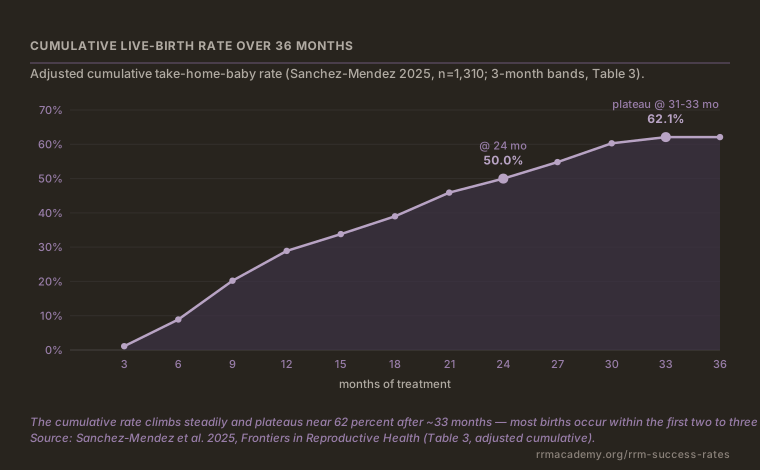
The Sánchez-Méndez and colleagues 2025 study is the largest published NaProTechnology cohort to date, enrolling 1,310 couples at a single center in Madrid over five years. The crude take-home-baby (live birth) rate was 35.3% (463 of 1,310). The adjusted-cumulative rate tracked upward over time: 20.2% at 9 months, 28.9% at 12 months, 39.0% at 18 months, 50.0% at 22-24 months, and a plateau of 62.1% from 31-33 months onward. This time-curve matters: couples or clinicians looking at a 12-month rate alone would see 28.9%, missing the additional pregnancies that accrued over the subsequent year and a half.
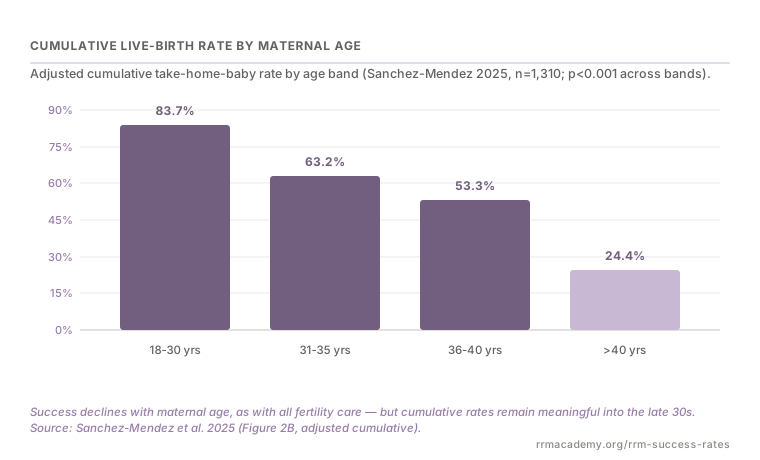
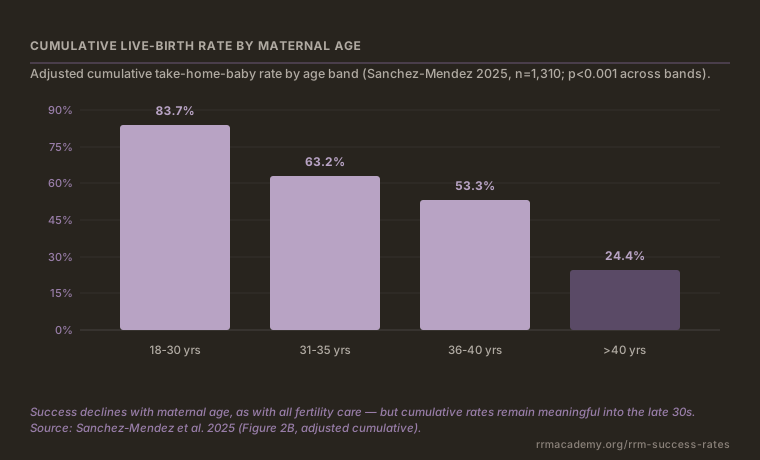
The age gradient in this cohort is steep and clinically important. Adjusted-cumulative live-birth rates by age band: 83.7% for women aged 18-30, 63.2% for ages 31-35, 53.3% for ages 36-40, and 24.4% for women over 40. Age is the strongest predictor of outcome. The mean cohort age of 35.0 means the overall rate sits between the 31-35 and 36-40 age bands, and readers evaluating these numbers for their own situation should weight the age-specific figures accordingly.
The cohort also enrolled 27.5% of couples with prior ART. Among that subgroup, the crude take-home-baby rate was 25.3%, still meaningful in a population that had already pursued ART without a live birth. And what was "unexplained" before workup became diagnosable: fewer than 2% of couples completed evaluation without receiving at least one specific diagnosis. The study does not report the full diagnostic reassignment table, but the near-elimination of the "unexplained" category across 1,310 couples documents what systematic evaluation finds when it is applied systematically.
How to Read These Numbers
Crude vs. adjusted-cumulative rates describe different things. A crude rate divides live births by all enrolled couples, treating every dropout as a non-live-birth. An adjusted-cumulative (life-table) rate censors withdrawals and estimates what fraction of couples would succeed given the full follow-up window. These can differ by 10 to 25 percentage points in the same cohort. They answer different questions. This page reports both and labels which is which.
Per-couple and per-cycle denominators measure different things. RRM studies predominantly report per-couple rates: one outcome per enrolled couple over a defined period. IVF registries predominantly report per-cycle or per-embryo-transferred rates: one outcome per individual treatment attempt. A couple who transfers three embryos across three IVF cycles has contributed three observations to the per-cycle rate and one observation to a per-couple rate. Comparing a 36-month per-couple RRM rate to a single-transfer-attempt IVF rate treats fundamentally different denominators as equivalent.
The published cohorts enroll a harder-to-treat population. Couples who seek RRM typically arrive with prior medical encounters, previous diagnoses, and often prior treatment failures. They are older and have been trying longer than couples pursuing first-line ART. This means the published RRM rates reflect what the approach achieves in a population that IVF benchmarks do not capture, and they understate what RRM achieves when applied first-line.
No randomized controlled trials have been published comparing RRM and IVF. The best available comparison is the 2025 Dublin retrospective cohort benchmarked against contemporaneous SART and CDC registry data. The demand for RCTs is worth examining directly: IVF was adopted at scale and became the dominant approach to infertility before any randomized controlled trials existed comparing it to expectant management. A Cochrane review documented that only two small RCTs, 86 women total, ever examined IVF versus expectant management. The standard being applied to RRM was never applied to IVF. The appropriate conclusion is that both fields built their evidence base on observational data, and RRM's observational record is strong.
Journal tier matters, and the preprint flag matters. The studies in this table span journals from indexed general-audience family medicine to specialty journals to one preprint (the 2021 Australian cohort by James and colleagues). Preprints have not completed peer review. Lower-tier journals have less rigorous peer review. This page notes preprint and lower-tier status where applicable.
The ranges in the stat cards span genuinely different things. The 18.4% crude live-birth rate comes from a cohort where 100% of couples had prior failed IVF, average 2.1 cycles, mean age 37.2. The 73.6% adjusted-cumulative rate comes from a mixed cohort with broader inclusion criteria and 24 months of follow-up. The range reflects different populations over different periods using different metrics. Heterogeneous populations produce heterogeneous outcomes, and both anchors are accurately described.
Frequently Asked Questions
What is the success rate of NaProTechnology?
The most cited figure is 62.1% adjusted-cumulative live birth, from a Madrid cohort of 1,310 couples followed up to 36 months. That plateau is reached at the 31-to-33-month follow-up band, not at 12 months. Crude take-home-baby rate in the same cohort was 35.3%. [source]
Age shapes the outcome substantially. In the Madrid data: 83.7% for women aged 18-30, 63.2% for ages 31-35, 53.3% for ages 36-40, and 24.4% for women over 40. [source]
For couples who had already failed IVF before starting restorative care, a separate cohort showed 18.4% crude live birth and 32.1% adjusted-cumulative. Mean age in that group was 37.2, with an average of 2.1 prior IVF cycles. [source]
Which metric matters depends on the question. Crude rates count outcomes over a fixed window. Adjusted-cumulative rates account for follow-up time and censored cases, and tend to climb as couples stay in care. The time-curve data make clear that 12-month snapshots consistently undercount outcomes: the Madrid cohort showed 28.9% at 12 months, rising to 50.0% at the 22-to-24-month band, and the plateau of 62.1% not until 31 to 33 months. Reading a 12-month figure as the final answer is the most common way these outcomes get undercounted.
Is RRM more effective than IVF?
The outcome data favor RRM across the available studies, and the comparison is more direct than it appears.
A 2025 Dublin cohort of 187 treated couples, benchmarked against contemporaneous CDC and SART IVF registry data, showed 42% live birth for RRM versus 40% for SART (women under 43), and 44% for RRM versus 41% for CDC (women under 41). That is the first published direct head-to-head comparison of RRM and IVF outcomes. [source] A 2025 systematic review reported 40-60% live birth after a single restorative procedure such as polypectomy, versus 30-40% per IVF cycle. [source]
One denominator difference matters. IVF success rates are typically reported per embryo transfer or per cycle, not per couple. RRM outcomes are per couple. A couple who goes through three IVF cycles appears three times in IVF's per-cycle denominator. That arithmetic inflates IVF's apparent rate and makes direct comparisons harder than they look. When researchers hold the denominator constant, the restorative approach compares well.
The deeper difference is what the two approaches are doing. RRM identifies and treats the underlying cause of reproductive failure. IVF bypasses that cause. The couple's original condition remains after IVF proceeds. That is a categorical distinction, not a marginal one.
How does RRM compare to IVF on safety?
The safety profile favors restorative care, and the gap is clinically meaningful.
From the 2025 Dublin cohort, singleton preterm birth after RRM was 4.0%, compared to 11.8% for IVF singletons in the CDC benchmark. For all pregnancies, RRM preterm was 6.5% versus 14.4% for IVF in the SART benchmark. Both pairs are preterm birth rates. [source]
Population-level data confirm the direction. One large population study found the adjusted odds of preterm birth were roughly 3 times higher after ART compared to never-treated women. [source] A second study in already-subfertile women found IVF was associated with roughly 4 times higher adjusted odds of preterm birth compared to those who conceived without IVF. [source]
The mechanism is direct. RRM results in a single naturally conceived embryo developing in its own uterine environment. IVF frequently produces multiple pregnancies, and multiples drive the majority of preterm births and NICU admissions in IVF outcomes. Even among singletons, IVF confers elevated risk above what the couple's underlying subfertility would predict. The preterm gap is consistent and clinically significant for families weighing this decision.
Is RRM evidence-based?
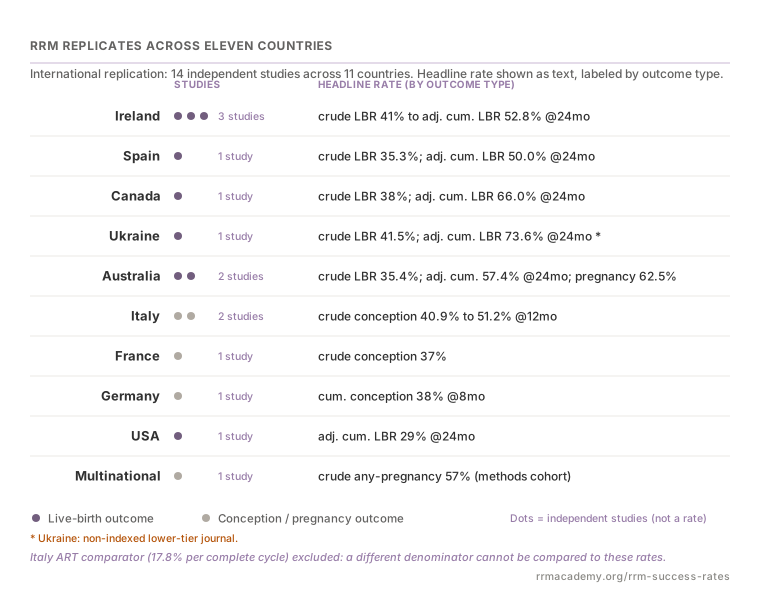
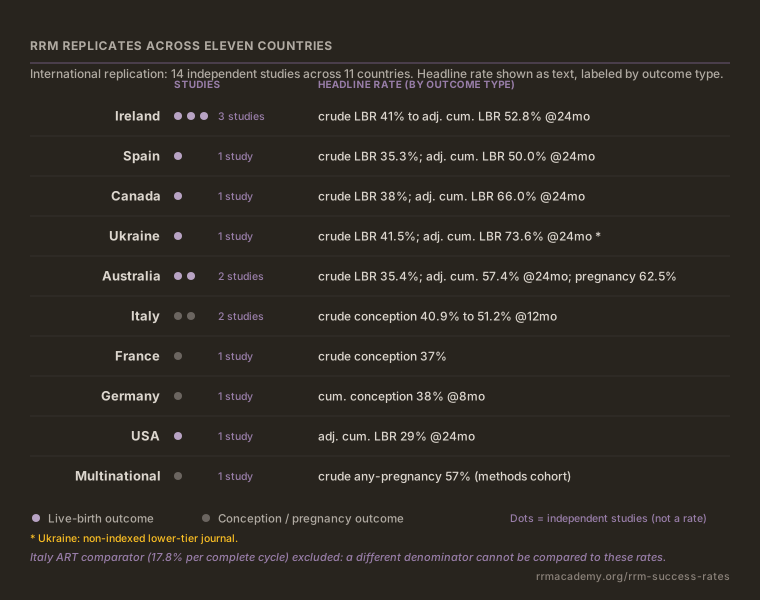
RRM is grounded in published, peer-reviewed literature spanning 14 cohort studies, a systematic review, and a narrative review across 11 countries, with documented populations and defined endpoints.
The evidence base is observational. That is the same foundation on which IVF's own effectiveness rests. IVF expanded into widespread clinical practice before any randomized controlled trials compared it to expectant management. The published RRM literature meets the same standard: real populations, documented outcomes, peer-reviewed journals.
The studies report consistent findings across independent research groups in Ireland, Spain, the United States, Italy, and elsewhere. The populations differ, the follow-up windows differ, and the rate-calculation methods differ, which is why this page labels each figure with its source and context. Consistency across independent cohorts using different methods is a meaningful signal.
Evidence-based means grounded in published literature with documented populations and defined endpoints. RRM meets that standard.
Are there randomized controlled trials comparing RRM and IVF?
No head-to-head RCT comparing RRM and IVF exists. The first published direct head-to-head comparison was a 2025 retrospective cohort from Dublin, benchmarked against contemporaneous CDC and SART IVF registry data. It showed RRM at 42-44% live birth versus IVF at 40-41%, depending on the registry and age cutoff. [source]
The absence of an RRM-vs-IVF RCT is real. So is this: IVF scaled into a global industry treating millions of couples before any RCT ever compared it to expectant management. A Cochrane review identified only two small randomized trials, covering 86 women, that examined IVF versus expectant management. The standard now demanded of RRM is a standard IVF never had to meet. That asymmetry is worth naming.
References
- Stanford JB, Parnell TA, Boyle PC (2008). Outcomes from treatment of infertility with natural procreative technology in an Irish general practice. Journal of the American Board of Family Medicine. Library record · DOI
- Tham E, Schliep K, Stanford JB (2012). Natural procreative technology for infertility and recurrent miscarriage: outcomes in a Canadian family practice. Canadian Family Physician. Library record · DOI
- Stanford JB, Simonsen SE, Baksh L (2016). Fertility treatments and adverse perinatal outcomes in a population-based sampling of births in Florida, Maryland, and Utah: a cross-sectional study. BJOG. Library record · DOI
- Frank-Herrmann P, Jacobs C, Jenetzky E, Gnoth C, Pyper C, Baur S, Freundl G, Goeckenjan M, Strowitzki T (2017). Natural conception rates in subfertile couples following fertility awareness training. Archives of Gynecology and Obstetrics. Library record · DOI
- Boyle PC, de Groot T, Andralojc KM, Parnell TA (2018). Healthy Singleton Pregnancies From Restorative Reproductive Medicine (RRM) After Failed IVF. Frontiers in Medicine. Library record · DOI
- Marshell M, Corkill M, Whitty M, Thomas A, Turner J (2019). Stratification of fertility potential according to cervical mucus symptoms: achieving pregnancy in fertile and infertile couples. Human Fertility. Library record · DOI
- Horodenchuk Z, Furman O, Datsko H (2020). Restorative reproductive medicine for infertility and recurrent miscarriage in the outpatient gynaecological practice in Ukraine. Kwartalnik Naukowy Fides et Ratio. Library record
- Kiani AK, Paolacci S, Scanzano P, et al. (2020). Complications related to in vitro reproductive techniques support the implementation of natural procreative technologies. Acta Biomedica (Atenei Parmensis). Library record · DOI
- James G, Mclindon LA, Hatch J, Mol BW, Turner JV (2021). Pregnancy outcomes from a restorative infertility treatment model: a single centre case series. medRxiv. Library record · DOI
- Stanford JB, Carpentier PA, Meier BL, Rollo M, Tingey B (2021). Restorative reproductive medicine for infertility in two family medicine clinics in New England, an observational study. BMC Pregnancy and Childbirth. Library record · DOI
- Sanders JN, Simonsen SE, Porucznik CA, Hammoud AO, Smith KR, Stanford JB (2022). Fertility treatments and the risk of preterm birth among women with subfertility: a linked-data retrospective cohort study. Reproductive Health. Library record · DOI
- Stanford JB, et al. (2022). International Natural Procreative Technology Evaluation and Surveillance of Treatment for Subfertility (iNEST): enrollment and methods. Human Reproduction Open. Library record · DOI
- Bernot G, Lallemand L, Le Menager C, Ecochard R (2025). Participation of general practitioners and therapeutic patient education in the care of infertile couples. European Journal of Obstetrics & Gynecology and Reproductive Biology. Library record · DOI
- Boyle P, Toth A, Minjeur M, Turczynski C (2025). Restorative reproductive medicine (RRM) outcomes compared to in-vitro fertilization (IVF) for the treatment of infertility: a retrospective evaluation of a 2019 clinic cohort compared to one cycle of IVF. Journal of Restorative Reproductive Medicine. Library record · DOI
- Bulletti FM, Giacomucci E, Guido M, Palagiano A, Coccia ME, Bulletti C (2025). Revitalizing reproductive health: innovations and future frontiers in restorative medicine. Therapeutic Advances in Reproductive Health. Library record · DOI
- Grande G, Garolla A, Graziani A, Astorri AL, Cammarota MV, Merola A, Polidori MP, Lulli E, Busato E, Pesce F, Pompa G, Pontecorvi A, Milardi D, Ferlin A (2025). Comprehensive diagnostic and therapeutic approach to male factor infertility aimed at natural fertility: A multicentric retrospective cohort study. Andrology. Library record · DOI
- Sánchez-Méndez JI, Lombarte M, Abengózar-Muela R, et al. (2025). Natural procreative technology (NaProTechnology) for infertility: take-home baby rate and clinical outcomes in a 5-year single-center cohort of 1,310 couples. Frontiers in Reproductive Health. Library record · DOI
- Barbato M, Del Zoppo S, Parazzini F, Graziani A, Guida M, Ferlin A, Frigerio L, Grande G (2026). Fertility awareness methods and waiting conduct in idiopathic infertility: a prospective observational study. Frontiers in Reproductive Health. Library record · DOI
Downloads and Sharing
Download the evidence handout to share or cite, or use the print button to save a formatted copy for clinical consultation, policy review, or research reference.
Cite this guide
Whittaker, N. (2026, June 3). RRM Success Rates: What the Published Evidence Shows. RRM Academy. https://rrmacademy.org/rrm-success-rates/
Whittaker N. RRM Success Rates: What the Published Evidence Shows [Internet]. RRM Academy; 2026. Available from: https://rrmacademy.org/rrm-success-rates/
Whittaker, Naomi. "RRM Success Rates: What the Published Evidence Shows." RRM Academy, 3 June 2026, rrmacademy.org/rrm-success-rates/.
This content is for educational purposes only and does not constitute medical advice. Consult an RRM clinician or healthcare provider for guidance specific to your situation. Statistics represent published research averages, not guarantees of individual outcomes.